How to exhibit your truck, tractor or engine at a show
There is a moment at every rally when you stop being a spectator. You are leaning on someone's Field Marshall asking about magnetos, and you realise the vehicle in your own shed is at least as interesting as half the field. The gap between attending and exhibiting is smaller than it looks. It is mostly paperwork, and the paperwork starts far earlier than you think.
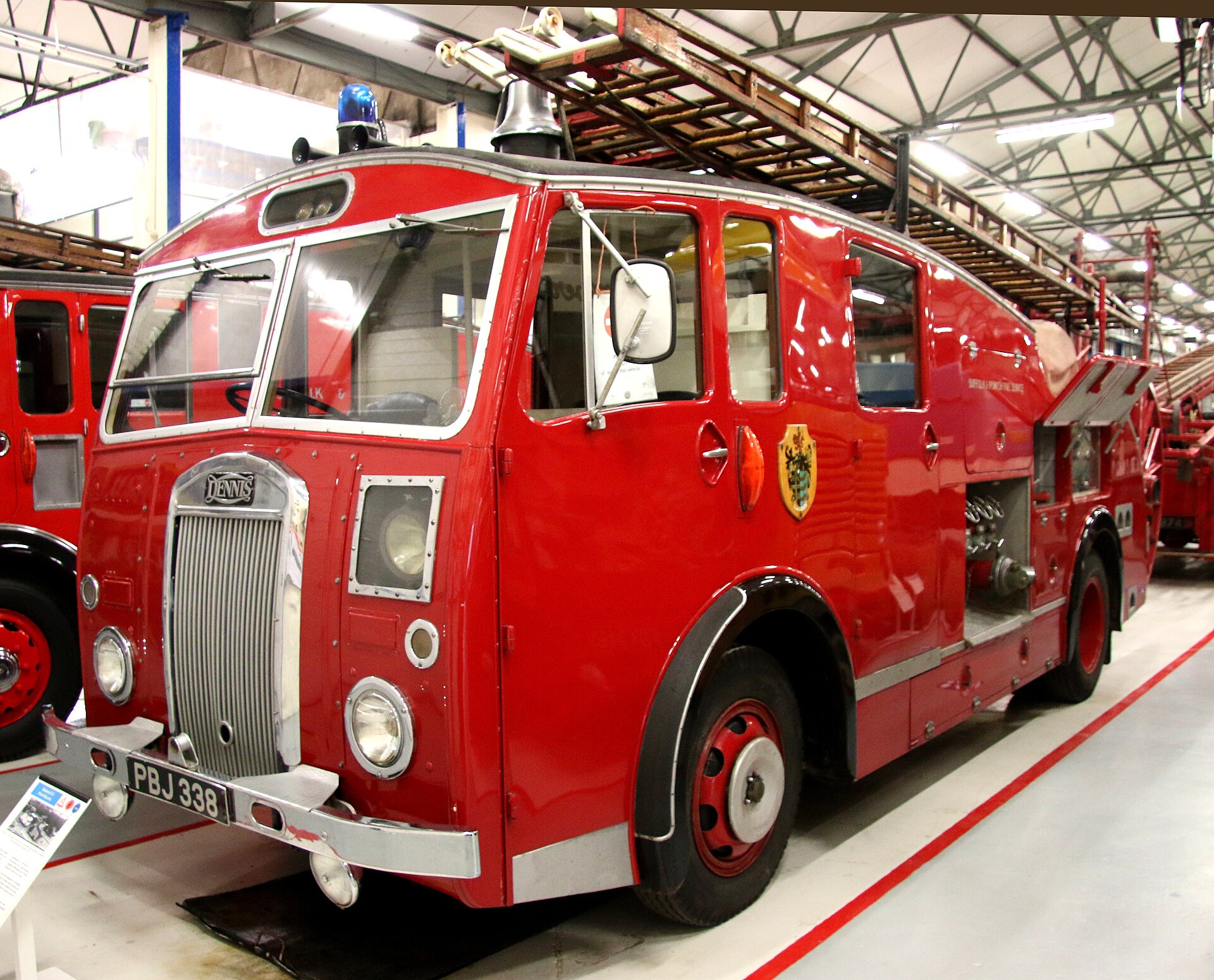
This guide covers the whole process: finding the entry form, the deadlines that catch people out, what organisers actually want from you, the insurance and MOT questions, getting the thing there, and what an exhibitor weekend is really like once you are pitched up with a kettle. It applies equally to a 1978 ERF, a grey Fergie, a showman's engine or a preserved Dennis pump escape bound for the Odiham Fire Show in August.
Entries close months before the gates open
The biggest mistake first-timers make is deciding in April to exhibit in May. Most shows of any size close exhibitor entries months ahead. Truckfest Peterborough runs in early May and exhibitor entries open the previous autumn, with the popular classes filling well before spring. Steam rallies work even further out. Organisers of events like the Welland Steam Rally in late July plan the ring programme and working demonstrations through the winter, so engine entries are often settled by February.
Ploughing is its own world. You enter matches through your local society, and the British National Ploughing Championships in October are qualification-based, so getting there is a season's work rather than a form. For everything else, the entry form lives on the show website under Exhibitors, in club newsletters, or with a secretary who still prefers paper and a cheque. Where a show has an online entry page, the TractionAction listing links straight to it.
What organisers actually want from you
A rally secretary reading two hundred entry forms wants three things: clear photos of the vehicle as it is now (not as it looked in 2019), an honest description, and a short paragraph of history the commentator can read out over the tannoy. "One of six right-hand-drive examples, bought from a farm sale near Thirsk in 1998" beats "lovely old tractor" every time.
They also want reliability. If you enter, turn up, because the programme was printed with your name in it. And they want the paperwork sorted before anyone has to chase it. Most rally committees are volunteers doing this around day jobs. Make their lives easy and you will be asked back for years. A decent entry includes:
- Two or three current photos, including one of the whole vehicle
- Registration, make, model and year, plus engine or serial number for steam and tractors
- A 60 to 80 word history paragraph written for the commentator, not for you
- Proof of insurance, and the boiler certificate details for steam
- Your arrival day and whether you are camping, so passes and pitch space come out right
Insurance, MOT and boiler tickets
The show's public liability insurance covers the public, not your vehicle. Most organisers require exhibitors to carry their own cover, and many ask for proof with the entry form. Classic vehicle policies usually include show and rally use, but read the schedule rather than assuming. If you drive to the show on the road, normal rules apply: at least third party insurance and the right tax class.
On MOTs, vehicles over 40 years old and substantially unchanged are generally exempt, which covers a lot of preserved trucks, tractors and fire appliances. Exempt does not mean unroadworthy though, and soft brakes on a 12-tonne appliance are still your problem on the way there. Steam is stricter again: a current boiler test certificate is non-negotiable, organisers will ask for it, and no ticket means no steaming, however far you have come.
Drive it or truck it
Trucks mostly drive themselves there, which is rather the point. Fire appliances too, though mind the height on rural diversions and the width through showground gateways. Tractors are a distance judgement: ten miles at 15 mph is a pleasant morning, fifty is misery, so most people use a plant trailer behind a 4x4 and drive the last stretch.
Steam engines travel at somewhere between walking and jogging pace and drink water constantly, so anything beyond a few miles means a low loader. Here is the catch: the handful of hauliers who move engines get booked solid through rally season. Book transport when you enter, not the week before. If you do road any vehicle there, plan fuel and water stops, carry basic spares, and tell the organisers your expected arrival time, because someone has to be standing at the exhibitor gate.
What an exhibitor weekend is actually like
You arrive on the Friday afternoon at the exhibitor gate (not the public one, the marshals will send you round if you get it wrong). Sign in, collect wristbands and a programme, and a steward walks or waves you to your pitch. Friday evening is the good bit: half-unpacked awnings, engines ticking over, and neighbours wandering across to see what you have brought.
Saturday and Sunday the public arrive from about 9am. Ring times go up at the secretary's tent, and if you are in a parade you get a slot, a marshal and roughly four minutes of commentary. Between times you will answer the same three questions all weekend: what does it weigh, what is it worth, and does it actually run. Take a chair, a flask and a sense of humour.
Camping with your vehicle
Most rallies include exhibitor camping in the entry, and you usually pitch right beside your vehicle, which is half the appeal. Bring a water carrier (the taps are never close), cash for the burger van, and wellies regardless of the forecast, because a showground after three thousand pairs of feet and one shower is a different surface.
Evenings are the best of it. The public leave, the ground turns into a temporary village, and the beer tent or a neighbour's awning does the rest. House rules are simple: generators off by 11, dogs on leads, and ear defenders for small children if you are camped near the ring or a line of engines raising steam at 7am. The Astle Park Traction Engine Rally in Cheshire in August is a good example of a rally where the exhibitor camp is a weekend in itself.
Winning your class
Judges reward honesty and completeness more than paint depth. A working tractor with its original tinwork, a proper history file and clean oil will often beat a shinier over-restoration. Know which class you are entering: concours rewards correctness, working classes reward condition in use, and a road-run truck is judged differently from a static one.
Small things add up. A presentation board telling the vehicle's story, a tidy engine bay, no oil on the grass, and being present when the judges come round so you can answer their questions. At big gatherings like Tractor Fest at Newby Hall in June, the difference between first and second is usually the history file and the conversation. And the honest secret of the whole scene: the rosette matters less than the invitation back.
Quick answers
How far in advance do I need to enter a show as an exhibitor?
For the big events, three to six months. Truckfest exhibitor entries open the autumn before the May show, and steam rally engine lists are often settled by February for a July or August rally. Small local shows may take entries a few weeks out, but never assume.
Does my vehicle need an MOT to be exhibited?
Not to sit on a showfield. If you drive it there on the road, normal rules apply: vehicles over 40 years old and substantially unchanged are generally MOT exempt, but they must still be roadworthy, insured and correctly taxed.
Does the show's insurance cover my vehicle?
No. The organiser's public liability policy protects visitors, not exhibits. You need your own cover, and most classic vehicle policies include show and rally use. Many organisers ask for proof with the entry form.
Can I camp next to my vehicle?
At most rallies, yes. Exhibitor camping beside your pitch is usually included in the entry, typically Friday evening to Sunday. Check the form for how many passes you get and whether they cover family.
Do exhibitors pay to get in?
Usually not. A confirmed entry normally comes with free admission and a couple of extra wristbands. Some steam rallies even pay engines a small attendance allowance towards coal and transport, though it never quite covers it.