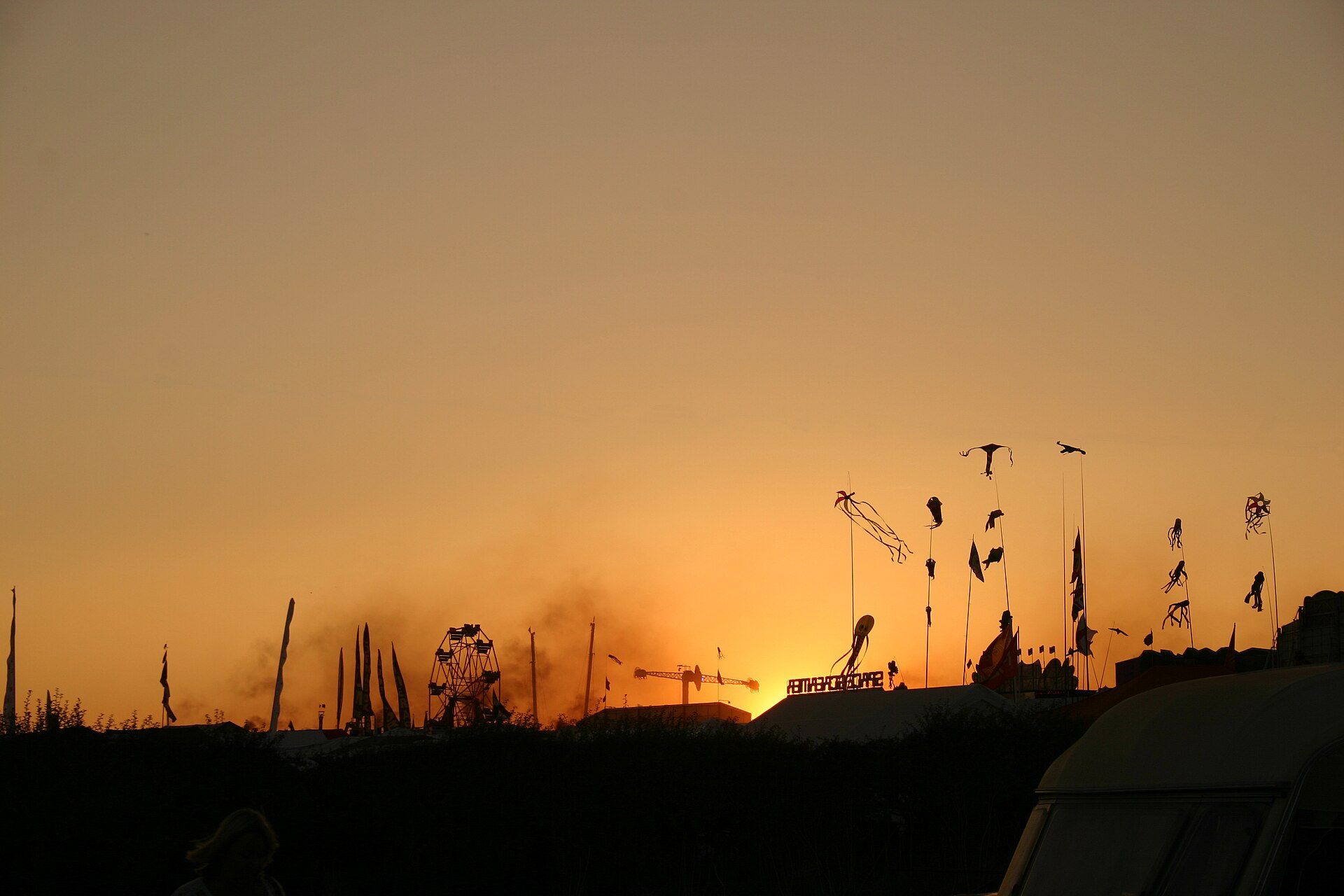
Taking kids to a truck show or steam rally: the honest survival guide
A steam rally or truck show is one of the best-value family days out in Britain. Most let kids in cheap or free, the entertainment runs all day, and there is something about forty tonnes of moving metal that holds a child's attention in a way no screen can. Ask any adult who was taken to a rally as a kid. They remember the smell of the coal smoke before they remember what year it was.
But these are working showgrounds, not soft play. They are loud, muddy, enormous and full of queues, and a brilliant day can turn into a long walk back to the car with everyone crying, including you. This guide is the stuff that actually matters, learned the hard way, in roughly the order you will need it.
Ear defenders first, everything else second
Start here, because it is the one thing you cannot fix on the day if you forget it. Steam engines are mostly a gentle chuff, right up until someone pulls the whistle cord, and at a big rally the midday whistle-up can mean thirty engines sounding off at once. Truck shows are worse. Air horn contests are a fixture (Truckfest at Peterborough in May runs one you can feel in your chest), and a single Scania horn at close range is genuinely painful for small ears.
Buy proper children's ear defenders, £10 to £15 online, and put them on the baby before you get anywhere near the arena. Older kids will insist they don't need them, then quietly put them on after the first whistle. Ask a steward when the whistle-up or horn contest is scheduled, so you can either front-row it or be safely at the ice cream van. Both are valid choices.
Have the fairground conversation in the car
Most steam rallies come with a vintage fairground attached. Gallopers, chair-o-planes, swing boats, all lit up and lovely, and none of it free. Rides typically run £2.50 to £4 each, often cash, and a determined child can get through £20 in forty minutes without breaking stride.
So strike the deal before anyone can see the helter skelter. Three rides each, they pick which ones, and when they are gone they are gone. It works because it was agreed in the car, not negotiated ride by ride at 3pm next to the waltzers with a tired six-year-old. Some parents hand over the ride money in coins so the kids manage the countdown themselves, which has the happy side effect of teaching them that the ghost train is a rip-off.
The best entertainment is free anyway
Here is the thing the fairground would rather you didn't notice: the good stuff is included in your ticket. Grab an arena programme at the gate and plan the day around it. Heavy haulage runs, the grand parade of engines, tractor pulling, fire engine turnouts with the bells going, these are the bits kids talk about afterwards.
Away from the arena, watch for anything actually working. Threshing demonstrations, steam ploughing, a sawbench screaming through timber, engines moving between the lines. A rally like Welland in late July or Astle Park in August has machinery on the move all day if you wander the ground rather than camping in one spot. Ploughing matches are the sleeper hit here. At the British National Ploughing Championships each October the working is the whole point, with horses, vintage tractors and steam tackle all turning real ground, and kids will stand at the rope far longer than you expect.
Pushchair, carrier or just wellies
Showgrounds are farmland with a show on top. In a dry August a pushchair with decent wheels is fine, though you will still bump over guy ropes, cable ramps and ruts left by the low loaders. After rain, a pushchair becomes a sledge you push uphill through mud. If your child is under two and the forecast is wet, take a carrier and thank yourself later.
Distances catch people out too. The big showgrounds run to a hundred acres and more, and the car park is never near the thing you want. Wellies for everyone if it has rained in the past week, sun hats and suncream if it hasn't, because shade in the middle of a showground is rarer than a clean exhaust. A folding trolley for kit and tired children is not cheating. Half the seasoned families pull one.
Food, queues and the burger van
The burger van queue at 12:30 is a fixed law of the showground. Eat at 11:30 or hold out until 1:45 and you will walk straight up. Prices are what you would expect, £6 to £8 for a burger, so a family of four eats for £30 before anyone mentions chips.
Almost every rally and ploughing match is fine with picnics, so a cool bag of sandwiches turns lunch into a sit-down at the ringside instead of a queue. Bring more water than you think, and bring some cash. Most vans take cards now, but phone signal in a Norfolk field during a busy show weekend is not something to bet your lunch on. The one queue worth joining is the tea tent run by the local WI or young farmers, where the cake is homemade and the money stays local.
The lost-child plan, before you need it
Big shows are brilliant at this, but they can only help if you have done your bit. At the gate, take a photo of each child in that day's clothes. Write your mobile number on their arm in biro, or use a cheap wristband that holds a paper slip. It feels over-cautious right up until the moment it doesn't.
Agree a meeting point that a child can actually find. Not "the burger van", because there are nine. Pick something tall and unique, the showman's engine with the twisted brass, the fairground's big wheel, the flagpole by the commentary box. Then teach them the rule: if you lose us, stop, and tell any steward in a hi-vis. Stewards at these shows are largely club volunteers who have run the same ground for decades, and the commentary box will have a lost child reunited faster than you can panic properly.
Why they remember these days
Nobody's child remembers the entry price. They remember being lifted into the cab of a show truck by a driver who was delighted to be asked, and pulling the horn cord. They remember the driver of a road loco waving back, because at these shows everyone waves back. They remember the smell of coal smoke and hot oil, the hiss when an engine stands still, and falling asleep in the car before you have left the field.
That is the real case for going. These are not theme parks with a queue-management strategy. They are hundreds of ordinary people showing off machines they have spent years restoring, and they are almost without exception generous to a curious kid. Take the ear defenders, agree the fairground budget, learn where the flagpole is, and the rest mostly takes care of itself. See what is on near you with the postcode search, and the Weekly Runsheet lands every Thursday.
Quick answers
Do children really need ear defenders at a steam rally or truck show?
Yes, especially under-fives. Steam whistles and truck air horns hit painful levels at close range, and whistle-ups and horn contests happen with little warning. Decent kids' ear defenders cost £10 to £15 and weigh nothing in the bag.
Can I take a pushchair to a showground?
In dry weather, yes, if it has reasonable wheels. Expect ruts, cables and long distances. After heavy rain a carrier is far better for small children, and wellies are essential for everyone else.
Do kids get in free?
Very often, yes. Most rallies and ploughing matches let under-fives in free and many extend that to under-12s or under-16s with a paying adult. Check the event listing before you go, and note that fairground rides are always paid separately.
What should we do if a child gets lost at a big show?
Prepare at the gate: photo of the child in that day's clothes, your mobile number on their arm, and an agreed meeting point they can find, like a flagpole or big wheel. Teach them to stop and tell any steward in a hi-vis. The commentary box handles lost children quickly and calmly.
How long should we plan to stay with young kids?
Plan around the arena programme rather than the clock. Arrive for the morning session, do the fairground after lunch, and aim to leave on a high after the grand parade rather than pushing on to closing time. Four to five hours is the sweet spot with under-tens.